john mclaren


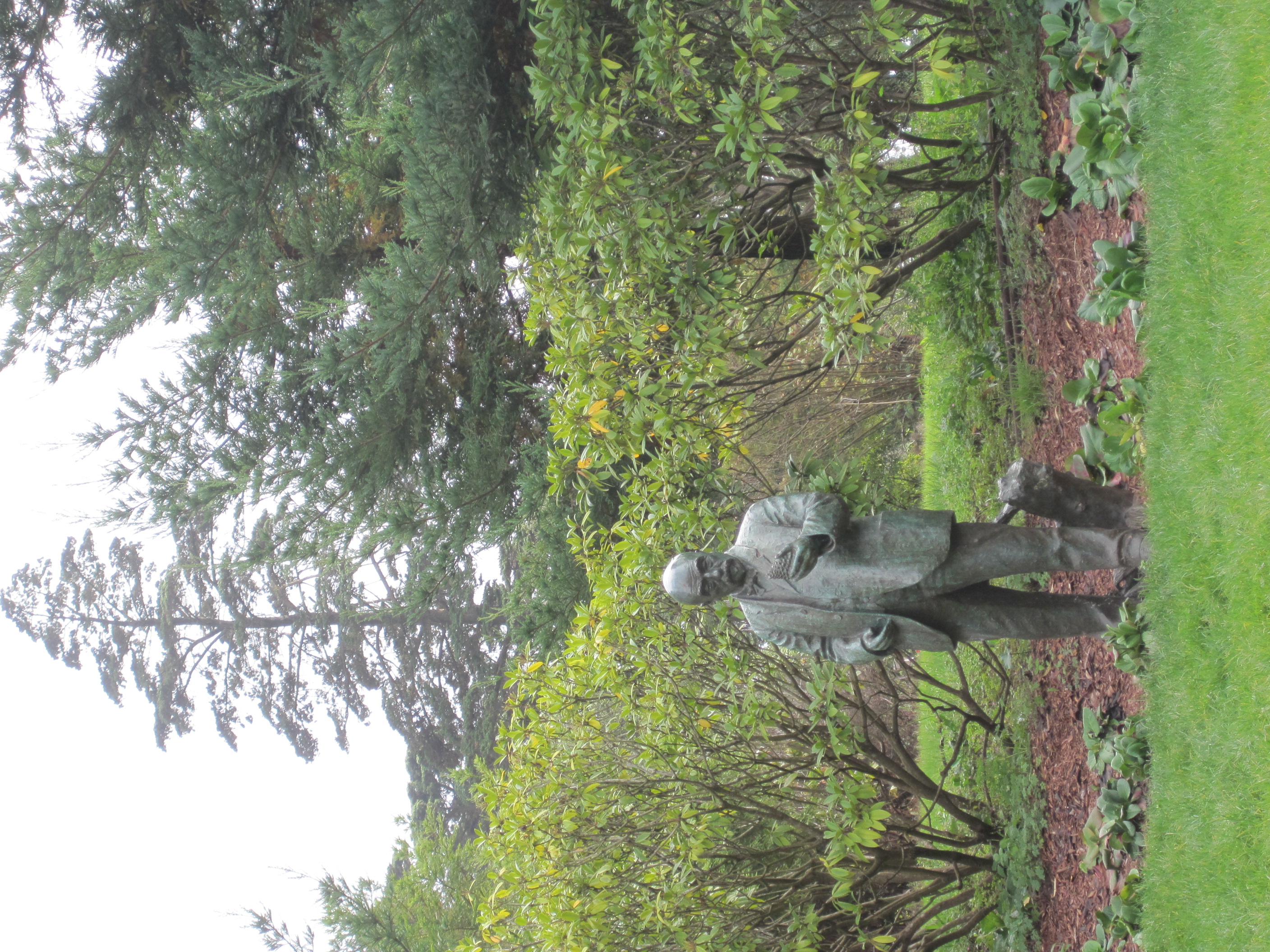
john mclaren statue, golden gate park


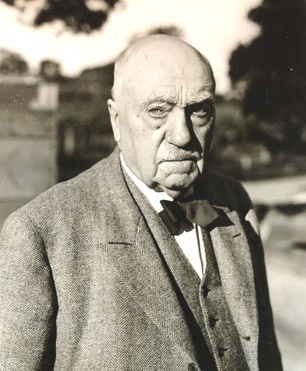
john mclaren (courtesy s.f. historical photo collection, sfpl)


What would John McLaren think of his statue at the entrance to the newly renovated rhodendron dell?  By all accounts he was opposed to cluttering up the park with statues and monuments;  thought the funds would be better spent on enhancing the park landscape.  But maybe in this case he would appreciate the gesture?

McLaren, a tough Scotsman, served as park superintendent from 1887 to 1943, weathering countless changes in city government and protecting the park against repeated threats to the bucolic vision he had for it.  He was such a strong advocate for the park and left such an indelible mark, that his successors have been hard pressed to fill his shoes. Since McLaren rode around the park in his chauffeur-driven Cadillac, popping in on work crews unexpectedly and leaving red-faced foreman in his wake, the job has gotten harder and more complex, although many of the core issues remain the same.  Most great city parks have historical ghosts like McLaren, that haunt the grounds.

Comparing the kindly gentleman depicted in the statue with a photograph from the San Francisco Historical Photograph Collection of the S.F. Public Library, perhaps provides a better (more complex) sense of this “Boss Gardener,” not an easy man to work for,  heralded by gardeners with the cry:  “wild game is coming.”

For more about McLaren and statues in the park go to The Encyclopedia of San Francisco section on Golden Gate Park:

http://www.sfhistoryencyclopedia.com/articles/g/goldenGate-park.html#tenac

Posted in people | 5 Comments

not strictly bicycle parking

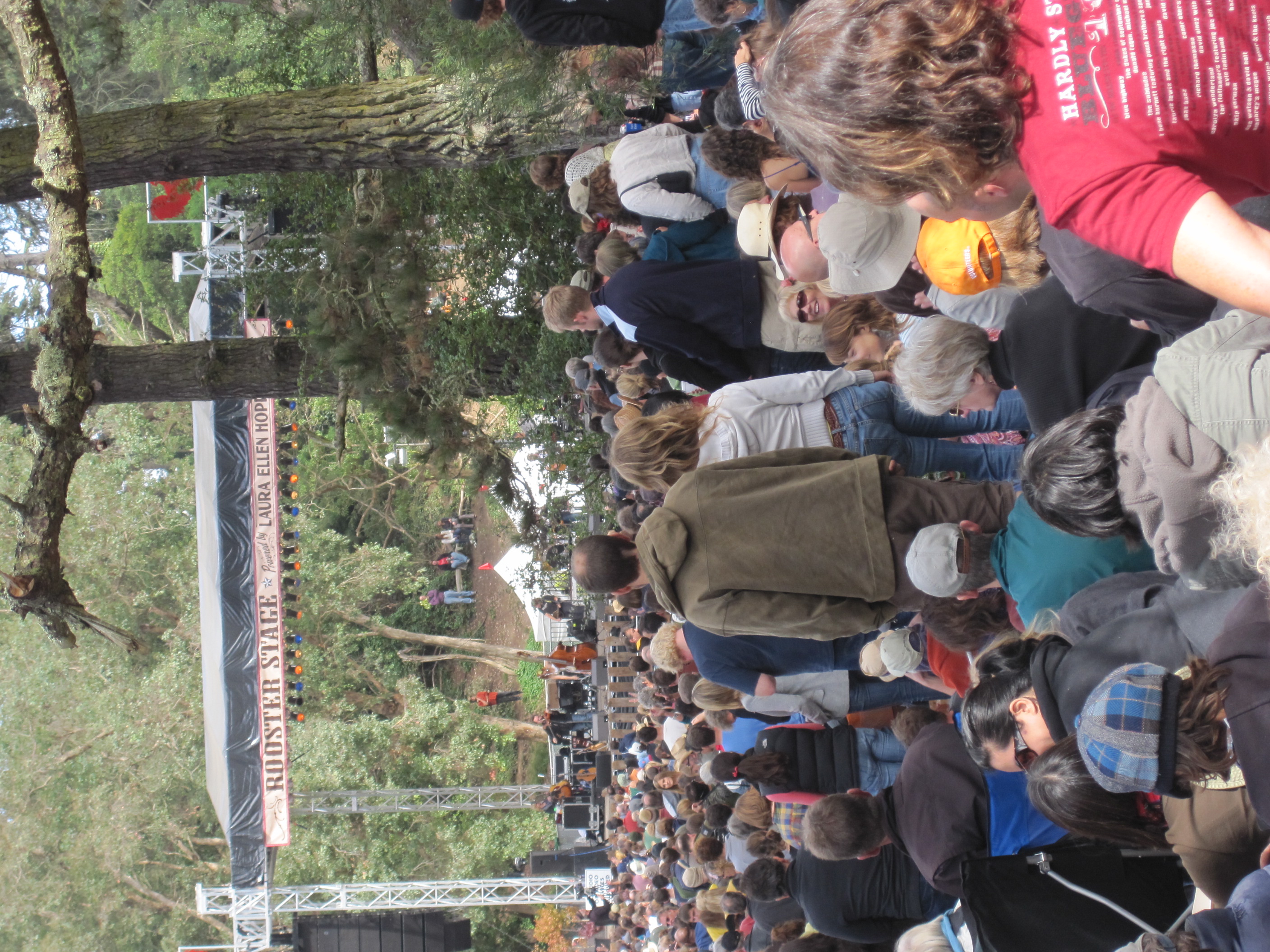
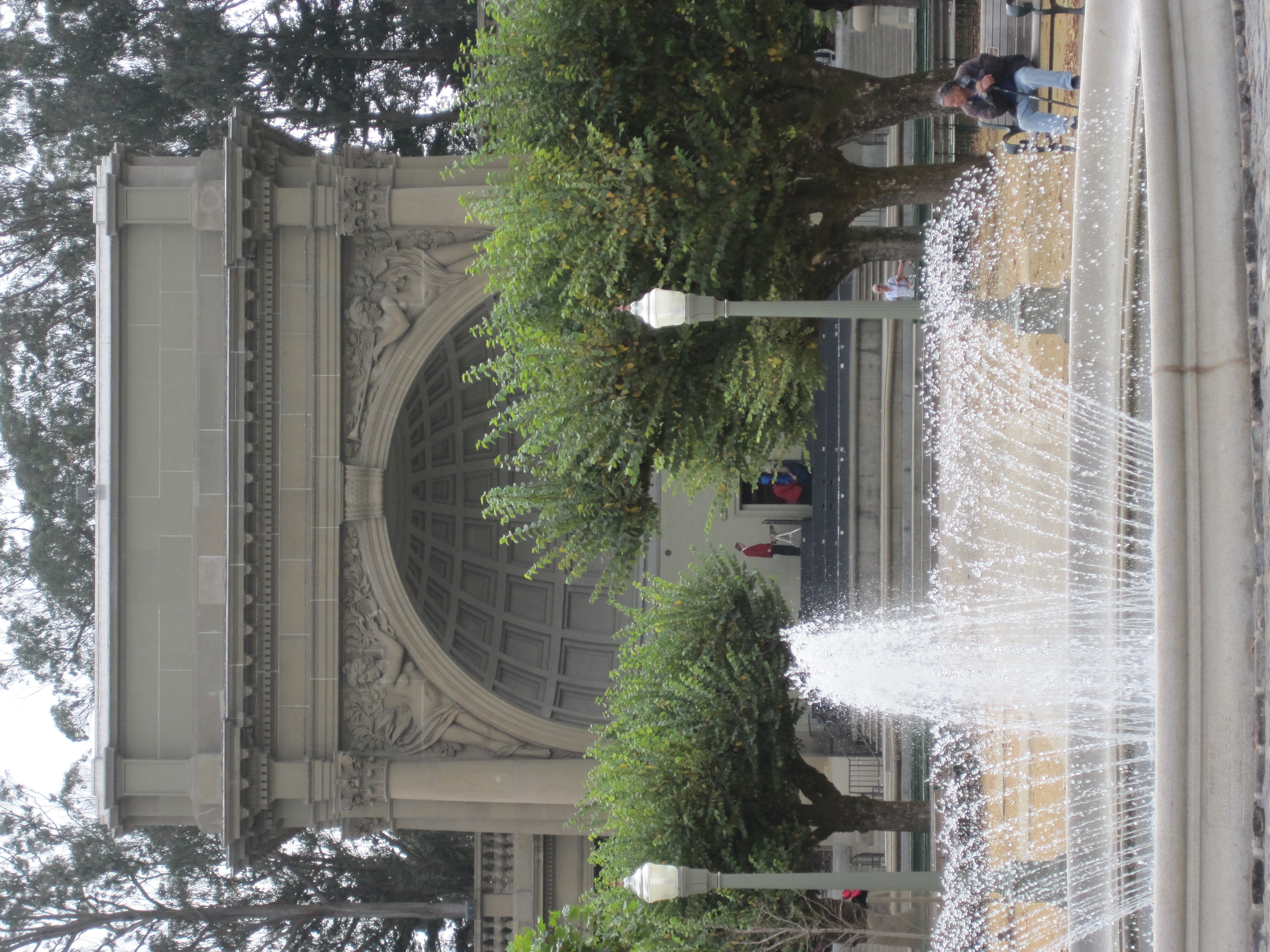
Last Sunday the park was a study in contrasts!  In the vicinity of Speedway Meadow it was such a happening place:  people elbow to elbow on JFK Drive,  picnic blankets end to end in the meadows, standing room only on the hillsides, music and marijuana in the air.  But at the music concourse an entirely different scene:  no crowds, no music, just the sound of tinkling fountains, a few people strolling, some entering the museums in twos and threes.

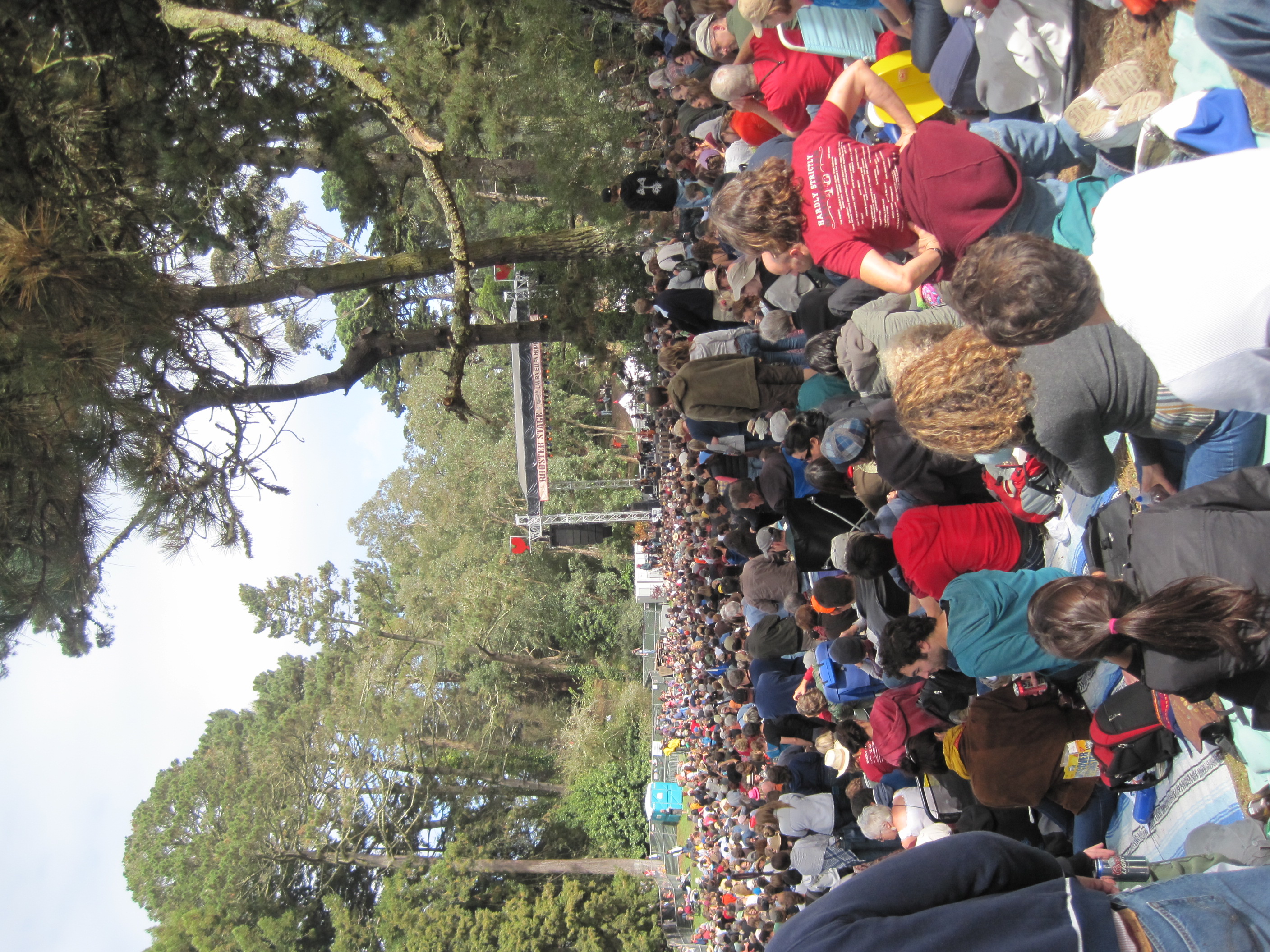
This contrast is like a time warp.  The music concourse is such a product of the nineteenth century .  .  .   originally it was the Court of Honor of the Midwinter Fair of 1894 .  .  . the Spreckels Temple of Music was dedicated in 1900 as a venue for a different kind of concert, designed for a small, decorous  audience.  Whereas  the Hardly, Strictly Bluegrass Festival owes much to the 60s and 70s, when record-breaking crowds converged on the park for musical happenings, love-ins and anti-war protests.

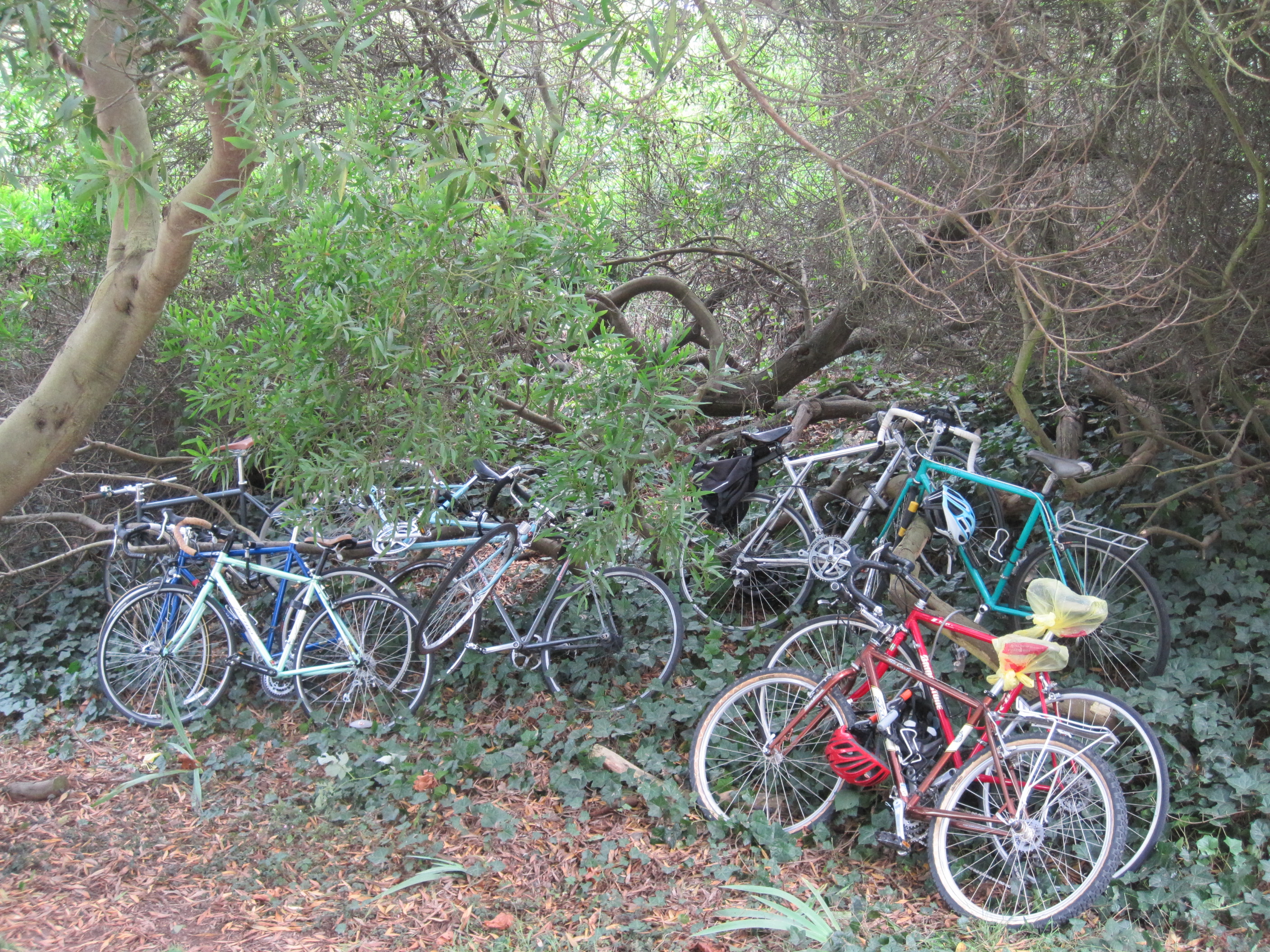
Today the park accommodates these very different scenes simultaneously, without one impacting the other.   But it’s worth noting that is was actually designed for the former, while it merely accommodates the latter.  This fact was brought home to me on Sunday as I walked along JFK drive and noticed the impromptu moorings of bicycles in the trees and roots along the way!

Posted in events in Golden Gate Park | Leave a comment

hardly strictly bluegrass

Posted in events in Golden Gate Park | Leave a comment

turning sewage sludge into gold!?

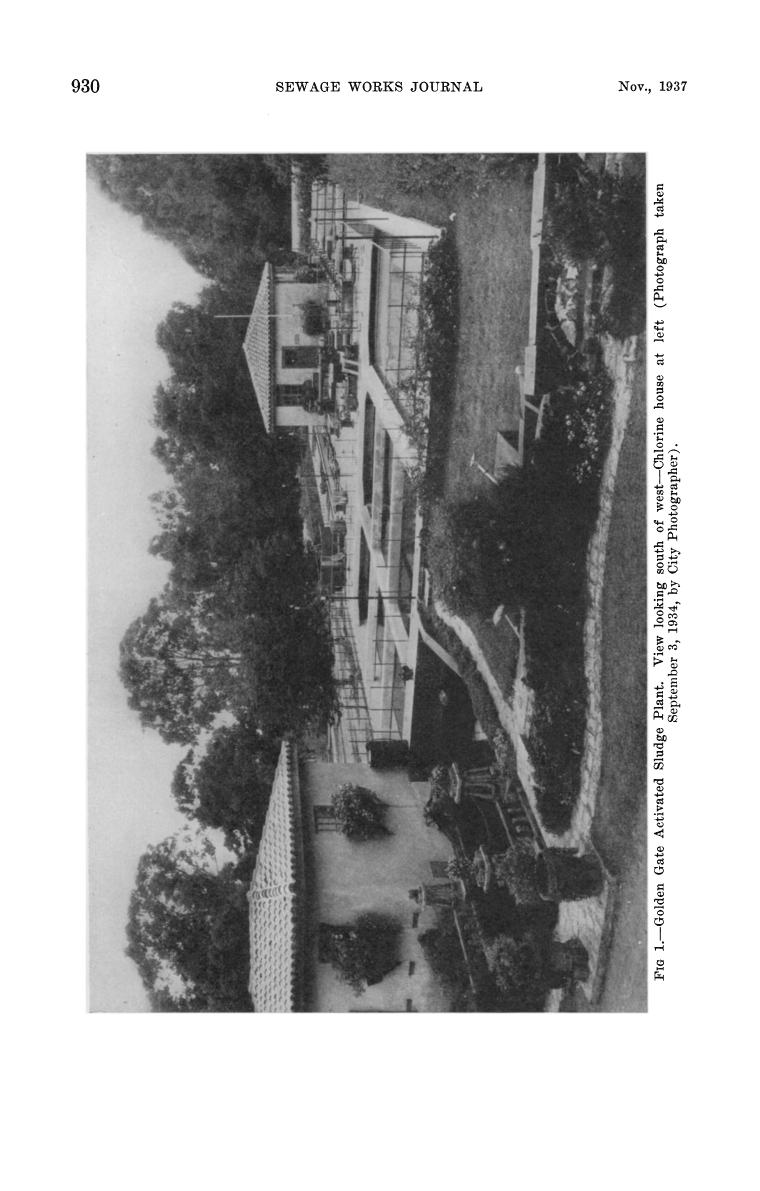
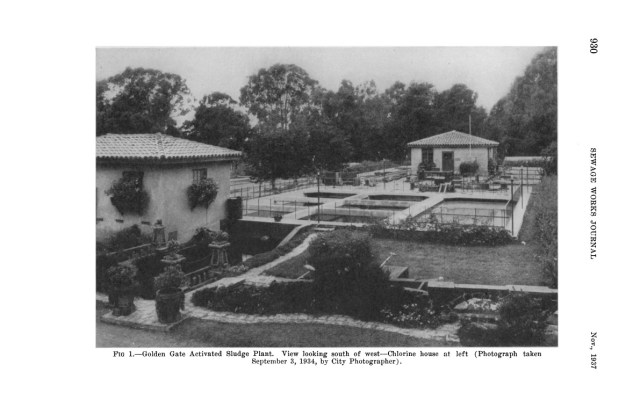
Turns out there is fascinating precedent for water recycling in Golden Gate Park!  The following information is from a paper entitled:  “The Beautification and Irrigation of Golden Gate Park with Activated Sludge Effluent,” written in 1937 by Charles Gilman Hyde, Professor of Sanitary Engineering at UC Berkeley, and published in Sewage Works Journal, Vol.9, No.6, Nov.1937 (pp. 929-941).

According to this informative paper, the Golden Gate Activated Sludge Plant was constructed in Golden Gate Park in 1932 to treat sewage effluent for use in irrigation and water features in the western half of the park.  Wells that had been supplying water for the park were running low, following an eight-year drought, and could no longer supply  enough water to maintain “the wealth of botanical material with which the park [had] skillfully, but laboriously, been planted.”  The author noted that “water has always been a relatively costly and at times none-too-abundant item among the city’s public utilities.  The long dry seasons with virtually no rainfall compel irrigation.  The demand for irrigation becomes more important and the quantitative demands are greater if the soil is exceedingly porous and lacks humus.  Such is the case in Golden Gate Park.” (still the case!)

The facility cost an estimated $85,000 to construct and was built,” for the most part, by ‘distressed’ or relief labor” in only five months. (federal stimulus money during the Great Depression?)  It was “artistically designed” and landscaped to create  “a really beautiful spot and an ornament rather than a disfigurement in the Park.”

The plant received raw sewage from the Lincoln Way main sewer, which collected from an area of about 2.1 square miles (the resident population of this area was estimated to be between 10,000 and 15,000 persons). It was designed for a nominal capacity of one million gallons per day;  the output over a period of 18 weeks in 1933-1934 averaged 530,000 gallons per day.

The paper includes tables with analyses of the content of the screened sewage and the effluent before it was chlorinated, including measurements of suspended solids, 5-day B.O.D., alkalinity, grease, chlorides, pH and temperature.  There was regular testing for B.coli and the results were deemed negligible.  The author concluded that the plant produced effluent that was hygienically safe.

The chlorinated effluent was combined with water from Stowe Lake via “an artificial brook about two-thirds of a mile in length, with numerous cascades and waterfalls” to supply Metson Lake and the Chain of Lakes.  Elk and Mallard Lakes were wholly filled with treated recycled water.  Water from the plant was also used to irrigate the stadium polo fields.  The paper noted that Stowe Lake and other lakes in the park supplied by ground water were already heavily infested with algae, but that the recycled water, high in nitrogen, stimulated the growth of algae even more in the lakes where it was used.

The paper ends with a summary of plans to build another sewage treatment plant (the proposed Richmond-Sunset Sewage Treatment Plant) on a site near the Murphy Windmill, with the capability of supplying 3 million gallons per day of treated effluent.  All sludge produced at this proposed plant would be “dried to an acceptable degree of moisture and ground to a consistency suitable for employment as a fertilizer in the parks under jurisdiction of the Park Commission.”

Now that’s recycling!
Posted in "lost" golden gate park, infrastructure | 1 Comment

recycled water in golden gate park?

The San Francisco Public Utilities Commission has a plan to build a state-of-the-art facility for treating recycled water in the south-west corner of Golden Gate Park.   The treated water would fan out from this facility via pipelines, pump stations, storage tanks and reservoirs under the park and under city streets and would be used for various non-potable uses in Golden Gate Park, including at the California Academy of Sciences.  It would also provide irrigation for  golf courses in Golden Gate Park, Lincoln Park and the Presidio.  The project is in design development, with construction planned for completion in 2015.

Interestingly, according to the SFPUC website, there is historic precedent for this plan.  In 1932, the Recreation and Parks Department constructed the McQueen Treatment Plant in Golden Gate Park, one of the first facilities in the nation to recycle wastewater for park irrigation. Water from this plant was used to supplement the wells that provided water for irrigation, as well as water features in the western end of the park. It is estimated that the plant provided an average of 0.5 million gallons per day of water to the park.  Because of changes in state regulations, the city decommissioned the plant in 1981.

More on this later, but to find out more about the proposal, go to:

http://sfwater.org/detail.cfm/MC_ID/13/MSC_ID/377/C_ID/4063

Posted in infrastructure | Leave a comment

golf in the park

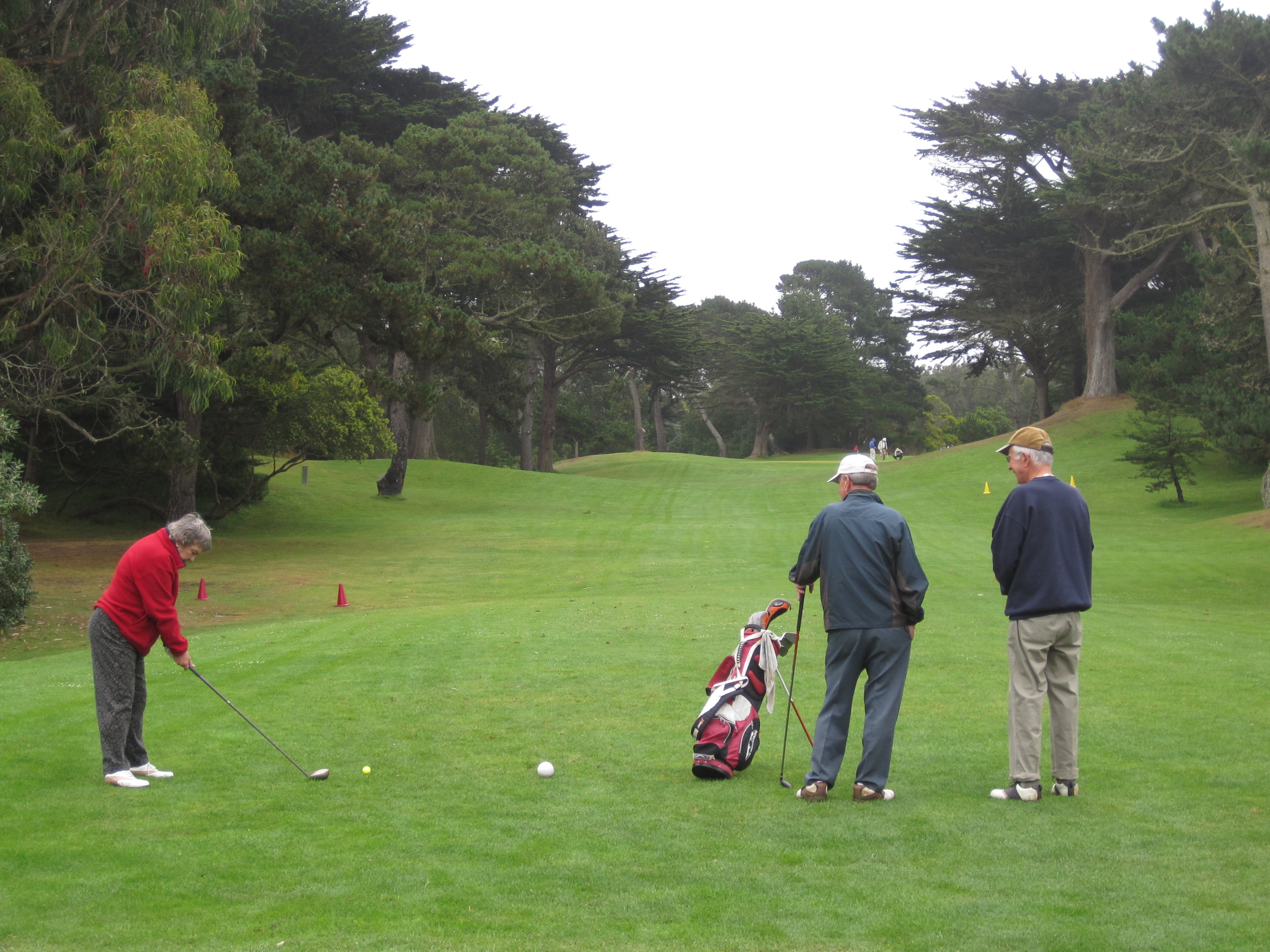
A few weeks ago Golden Gate Park was the setting for my initiation into the sport of golf.  Two friends (experienced but lapsed golfers) had offered to show me how to play.  Arriving at the Club House, we were met by a gentleman who seemed to be the official greeter (or maybe gatekeeper?).  Identifying me immediately as a novice, he laid out the rules (either he was clairvoyant or he noticed that, unlike my friends, I didn’t have a set of clubs?).

First stop, he explained, is the driving range;  novices are not allowed to just head out on the course, for obvious reasons.  A small basket of golf balls costs $6.  Surrounded by nets on three sides, the driving range is small;  hard to tell how far you are actually hitting the ball, but a good place to experiment with the various irons, learn what they are designed to do, try “teeing off” and “chipping,” get a feel for the trajectory of the ball.  There’s also a putting green.

Watching the ball, trying to swing smoothly and follow through  .  .  .   it felt like learning a dance move.  It’s all about the angle and the form, the shift in weight from one foot to the other.  Each club sends the ball on a different trajectory:  high and arcing or low and far.  A gaggle of little boys were enjoying hitting balls with Mom.  A couple of young men arrived to warm up before heading for the course and unselfconsciously showed us all how it should be done  .   .  .  quite beautiful to watch a practiced swing, so graceful, effortless.

The course itself is lush and rolling, the greens flanked by wings of Monterey Cypress, tall and scraggly.  There are nine holes.  Golfers headed off with rolling golf bags (on wheels).  The small club house is modernist in style, very 1950s?  I hear the snackbar has a reputation for some of the best barbeque (ribs) in the city?

In sum, it was a great introduction to a sport that has always seemed somewhat inaccessible and pretentious to me (which is why I have never played, I guess).  There were several signs welcoming beginners.  The golf pro stopped by to pitch a six-lesson, introductory course offered there for $198.  The first lesson must be on a Saturday;  subsequent lessons can be during the week.

It seems a bit of an anomaly, this golf course in Golden Gate Park;  definitely not a product of the nineteenth-century mindset that produced the park originally (John MacLaren would have vehemently opposed it, I think!).   Apparently originally designed as a “pitch and putt” course and added in the 1950s, this little course tucked into the north-west corner of the park seems a bit of a world unto itself.  But then this park is full of enclaves like this, devoted to specific forms of recreation, each with a unique history, a special flavor, a group of devotees.   Together, these enclaves make up the unique character of this park, all tied together by the strong nineteenth-century framework of meadows and forests, rolling greens and towering cypresses.

golfing in golden gate park

Posted in recreation | Tagged , , | 1 Comment

reforestation in golden gate park

In the book, The Trees of Golden Gate Park (pp. 17-21), Peter Ehrlich describes the Golden Gate Park Forest Management Plan, a reforestation plan for the park, adopted in 1980 (so now 30 years old).   Mr. Ehrlich was in charge of reforestation in the park for ten years, subsequently served for some years as urban forester for the Recreation and Park Deptartment at large, and is now forest manager for the Presidio Trust,  so his credentials on this subject appear to be solid.  According to him, a tree inventory in 1979 showed many of the trees in the park nearing the end of their life spans.  This inventory served as the basis for the tree management plan, which noted the historic landscape character of the park (for example, the relationship of wooded areas to meadow areas and the predominance of evergreens) and outlined procedures for reforestation.  However, replacing trees is quite a challenge in this park, due to poor soil conditions (underlying sand dunes that contain few nutrients and don’t retain water very well), increasing use of the park (pedestrian as well as vehicular), crowded growing conditions (new trees have to compete for sun and moisture), the spread of a pine pitch canker (to which Monterey Pines are particularly susceptible), etc.   Special tall, slender planting containers have been used to encourage deeper root development and new trees must be watered by hand for three to four years.   There was a plan for “top-dressing [new tree] plantations with compost made from the chipped and shredded branches and leaves of prunings and tree removals in the park.”  By 2000, “fourteen thousand trees had been planted  .  .  .  resulting in 110 acres of reforested parkland.”

This is a fascinating story!  How many of those new trees have survived?  Which planting methods have worked best?  How has the species list evolved?  Were procedures modified through trial and error?   Is there documentation of this 30-year program?

I  like the sound of the 1980 Golden Gate Park Forest Management Plan described by Peter Ehrlich, and would like to know more about it, how it has been implemented, what has been learned, how it is used today, if it is used today?  The 2006 Urban Forest Plan for the City and County of San Francisco covers Golden Gate Park, of course,  but applies a broad brush to the whole city.  I hope the trees in Golden Gate Park are being managed differently from street trees or trees in newer, smaller parks!  Maybe it’s time to revisit that 30-year old Golden Gate Park Forest Management Plan?

The 2006 Urban Forest Plan: http://www.sfenvironment.org/downloads/library/urbanforestplanmay06.pdf

Posted in trees/urban forest | 1 Comment

fall foliage

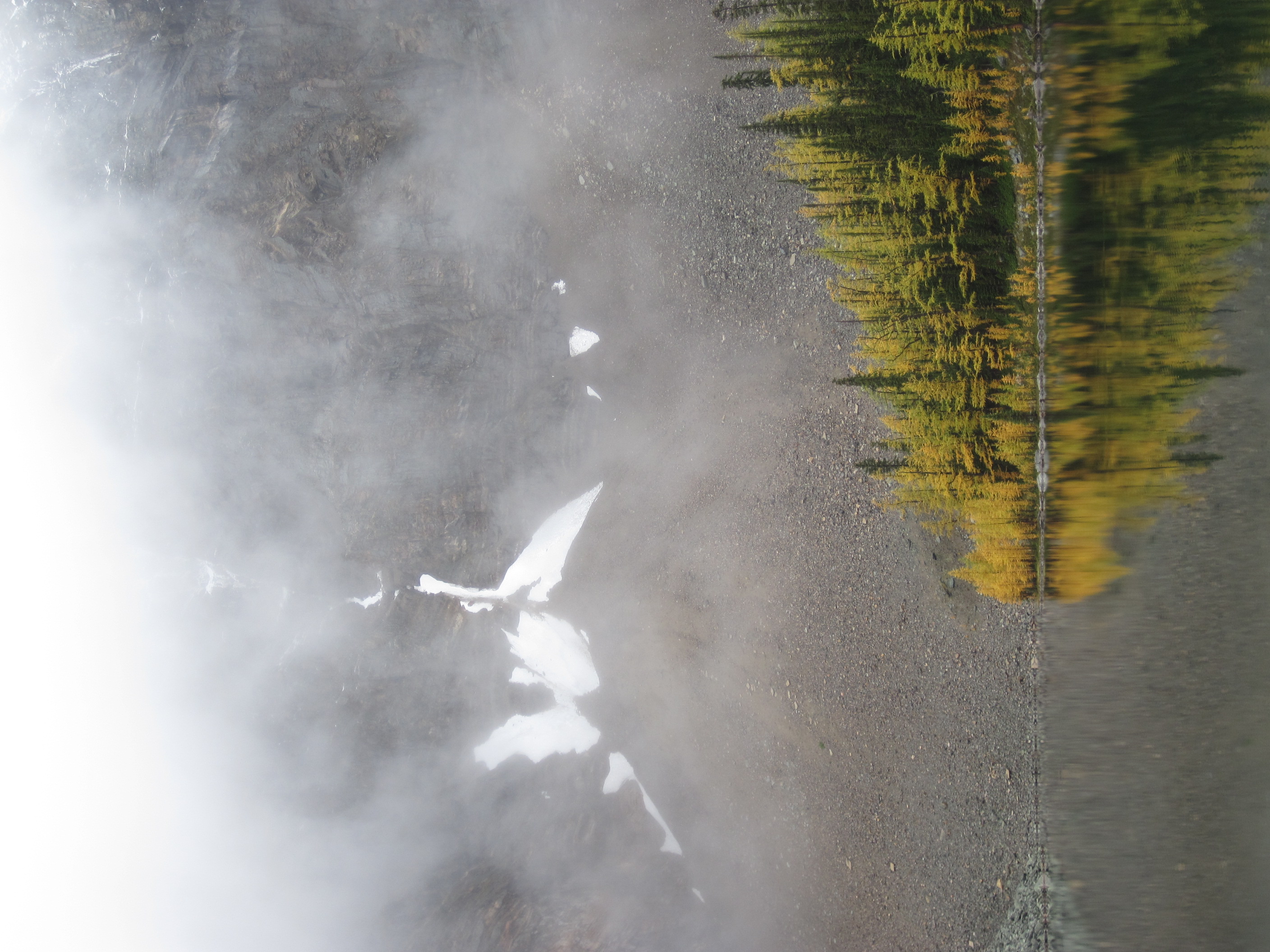
I’m in the Canadian Rockies this week (blogging by iPhone is limiting), but I will be back next week and back up to speed. The Western larches here are magnificent, flaming gold!   I’m unable to check right now, but wondering if there are any larches in Golden Gate Park (the Arboretum, the Tea Garden)? Perhaps Japanese larch (larix kaempferi), sometimes (uncommonly!) planted in California?.  If so, do they turn gold like this? Will investigate when I get back next week. But here’s an idea: how about keeping track on this blog of color spots in the park this fall?! Stay tuned!

Western larches (larix occidentalis) near Banff, Canada

larches reflected in Arnica Lake, Banff, Canada

Posted in trees/urban forest | 1 Comment

little tulip tree

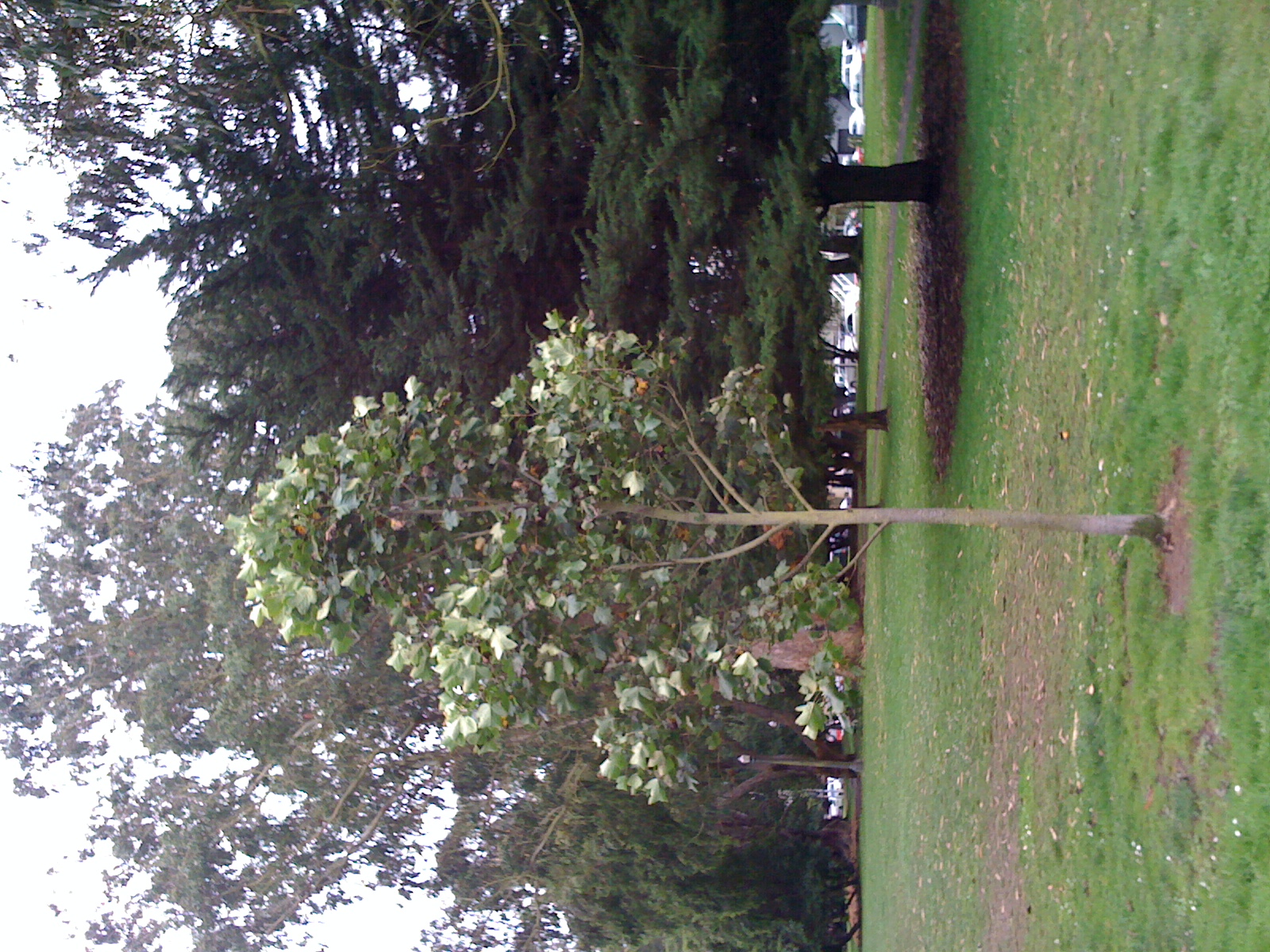
This young, recently planted tulip tree seems to be thriving in the Panhandle.  Smack in the middle of the undulating, open space that is the core feature of this linear park, it enjoys full sun and suffers little competition from the older trees that line the edges of what was designed to be a classic, nineteenth-century “greensward.”  In perhaps fifty years, if all goes well, this will be a magnificent tree, standing 50-60 feet tall and spreading as much as 40 feet, with tulip-shaped, flowers in early summer and yellow fall foliage.

a young tulip tree in the panhandle

It will also block the grand vista  .  .  . the soul-expanding experience afforded by the long view down the center of the Panhandle.   And there is a premium on sunny, open space in this park.  So I wonder about the decision to plant this particular tree in this particular place, blocking the view and adding more shade.  What were the criteria ?  One important consideration in tree selection is the potential for a tree to thrive in a given location (soil type, amount of sun, competition from nearby trees, appropriate irrigation, etc.).  But so many other considerations must come into play in a park like this;  for example, is there historic precedent for tulip trees in this park?   And when new trees are planted here,  how are historic precedents weighed against potentially conflicting goals, like making the park more sustainable into the future?  Is there a plan to increase the number of native species, to reduce water use and enhance habitat value in the park overall, or are such efforts confined to certain areas, such as the Oak Woodlands?

It seems there is historic precedent for tulip trees in Golden Gate Park, according to The Trees of Golden Gate Park, including a grand, old specimen by McLaren Lodge.  Tulip trees are indigenous to the eastern U.S. and were used extensively in urban parks throughout the country in the nineteenth century.  As specimen trees, allowed to grow to their full glory, they are magnificent and certainly the designers of Golden Gate Park (William Hammond Hall and John McClaren, for example), recognized the value of strategically placed specimen trees, situated for maximum glory.   So I guess, in terms of historical and aesthetic considerations, this tree may be defensible as a specimen tree.  But I’m still bothered by its impact on the Panhandle vista.  And I wonder how it fits in with sustainability guidelines for parks and open space in San Francisco?

So many issues to consider when planting a new tree  .  .  .  I wish this little tree well, but it raises many questions.  Tulip trees have a life expectancy of 200-250 years!

Posted in trees/urban forest | 1 Comment

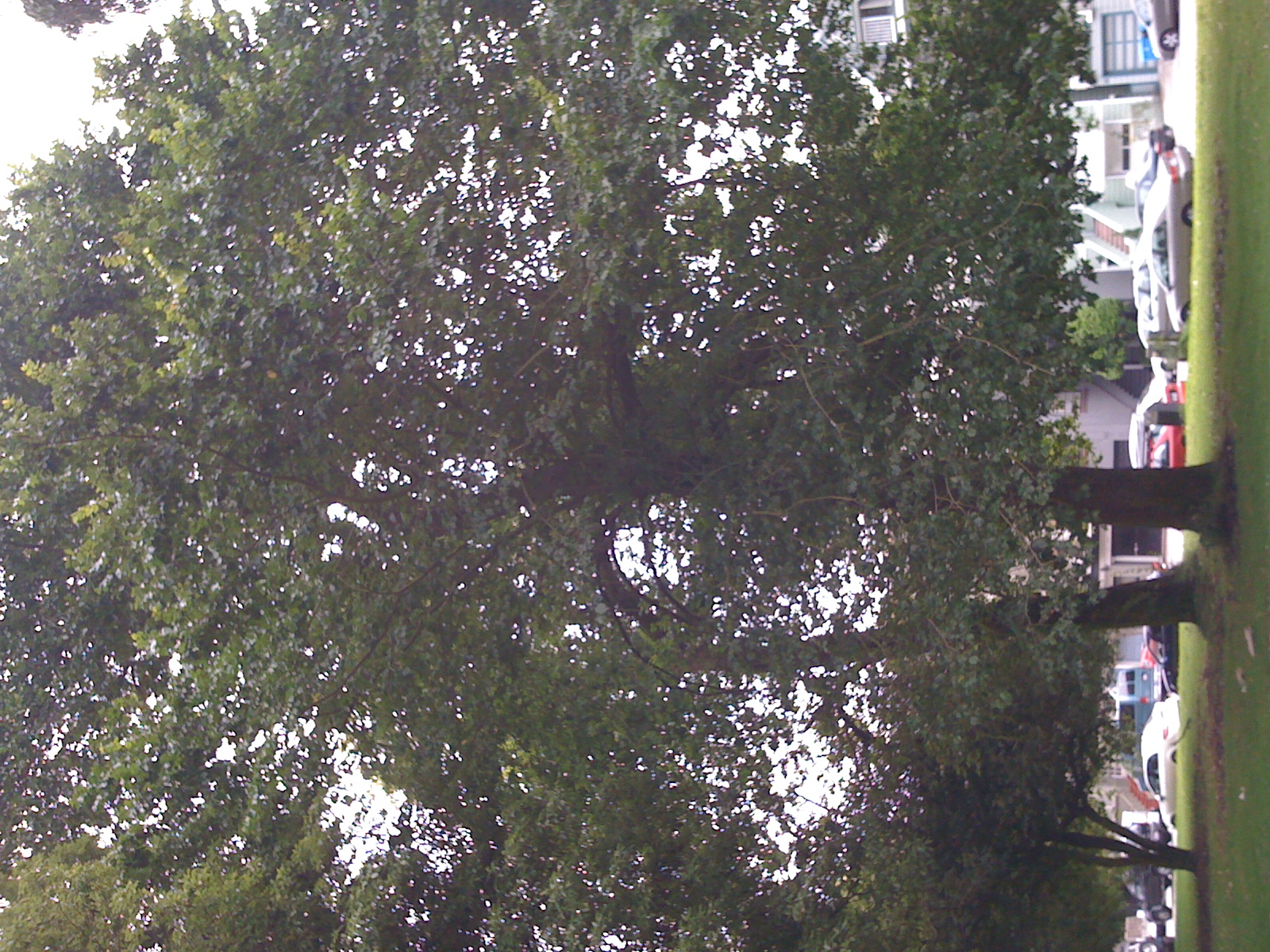
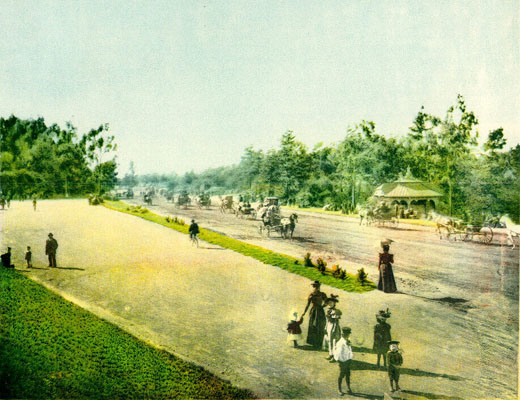
elms in the panhandle: then and now

elms in the panhandle today

photo of elm from 1965 (Trees of the Panhandle)

Posted in trees/urban forest | Leave a comment